




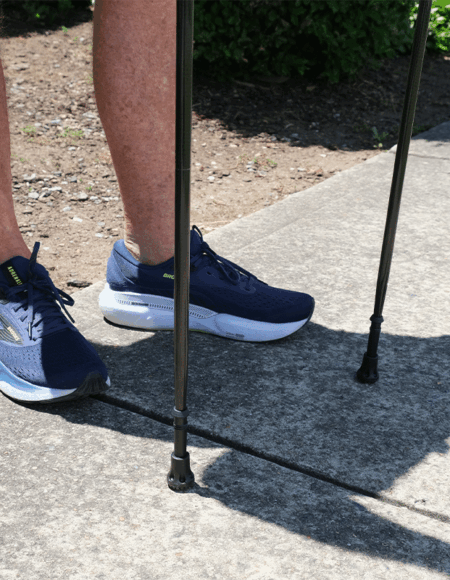
Choosing a cane can feel oddly overwhelming. You just want something safe and comfortable, but the options seem endless, and many canes look similar online.
Here’s the catch: not all canes are built to last, and some aren’t safe or reliable. A high-quality walking cane should:
- Give you steady support
- Feel good in your hand
- Help you move with confidence
- Eliminate second-guessing every step
In this guide, we’ll walk through what to look for, what to avoid, and a simple checklist to use before you buy. If you already know you want something lightweight, strong, stylish, and designed for everyday comfort, it’s worth browsing Clover Canes’ carbon fibre walking sticks today.
Why Quality Matters
A cane is a safety tool. The right one can reduce the risk of slips and falls, especially on uneven footpaths, wet tiles, or tricky transitions between carpets and hard floors. If you use a cane daily, small issues can accumulate fast:
- Handle that rubs
- Tip that skids
- Shaft that feels wobbly
The best walking cane for seniors might cost more than the bargain option, but it usually saves money and stress over time because it doesn’t need to be replaced every few months.
What to Look for in a High-Quality Walking Cane

1. Lightweight but Strong Construction
A heavy cane can tire your arm and shoulder quickly, especially when using it all day or taking longer walks. A lightweight walking cane made from a sturdy material helps reduce fatigue while still feeling solid and stable. Carbon fibre is popular because it is very light, but it does not bend or flex like cheaper metal shafts. If a cane feels flimsy in the hand, it will likely feel even worse when in contact with the ground. Look for:
- A shaft that feels firm and steady, not springy
- A build that feels light but not fragile
2. Proper Height and Adjustability
Even the best cane is a problem if it’s the wrong height. Too tall, and it can push your shoulder up uncomfortably. Too short, and it can make you lean and strain your back or wrist. The best canes are adjustable so that you can get the fit right every time. Your arm should sit comfortably with a slight bend at the elbow when you hold the handle. Please use our quick, practical guide: How to Measure a Cane for Your Height.
3. Built-In Safety Features
Too many people overlook this critical aspect when they shop based on looks alone. Walking cane safety features are what keep the cane steady, especially on smooth surfaces. Key safety features include:
- Stable, non-slip tip that grips the ground
- Replaceable tip to refresh grip as it wears down
- Secure joints and locking points that do not loosen over time
- Solid shaft with no wobble
If you need replacement tips or add-ons, we also offer a range of essential accessories.
4. Wrist Comfort and Shock Absorption
A standard cane can send impacts straight up into your wrist with every step. If you have arthritis, joint pain, or reduced strength, this can become a real issue. A cane designed with cushioning or shock absorption helps reduce repeated impact. Over time, that means less strain on wrists, elbows, and shoulders, and a more comfortable walking rhythm.
5. Comfortable Grip Design
The grip is the first place where quality is immediately apparent. A good handle should feel supportive without forcing your fingers into an awkward position. Try to avoid:
- Thin handles
- Hard plastic grips that feel slippery or dig into the palm
Ergonomic shapes spread pressure more evenly, especially helpful for anyone with reduced hand strength. If you are already tensing your hand just holding the cane, it is not the right handle for you.
6. Practical, Portable Design
Many people want a cane they can take anywhere, not something bulky that gets left in the car or leaned against a corner at home. Folding and collapsible designs are ideal for:
- Travel
- Day trips
- Appointments
- Daily errands
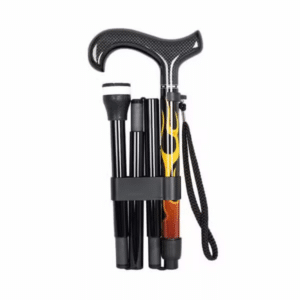
If you want a portable option that still feels sturdy, please explore our adjustable folding canes.
What to Avoid When Buying a Cane
When wondering how to choose a walking cane, some warning signs are obvious once you know what to look for. Red flags of a poor-quality cane include:
- Heavy, bulky construction that feels tiring to carry
- Loose sections, rattling, or a clicky feel at the joints
- Slippery handles or hard grips that quickly feel uncomfortable
- Thin tips that look unstable or you suspect will wear down fast
- No height adjustment
- Extremely cheap pricing with no clear info on materials or walking cane safety features
If the product description is vague, the measurements are missing, and any reviews mention instability, it’s not worth the risk.
Quick Buyer Checklist
Use this as a simple yes-or-no check when wondering how to choose a walking cane:
- Lightweight but robust construction
- Adjustable height
- Stable, non-slip tip
- Shock absorption or wrist cushioning
- Comfortable ergonomic grip
- Secure joints
If you cannot confidently tick at least four of these, keep looking.
Choosing the Right Cane Means Choosing Confidence
A high-quality walking cane should support your independence, not limit it. You’re not just buying something to lean on, you’re protecting your:

Comfort

Joints

Confidence to keep doing the things you enjoy
If you are ready to explore well-designed options that balance safety, comfort, and everyday practicality, please shop the Clover Canes range today.
FAQs
Stability and fit. A cane should be the right height, feel wobble-free, and have a non-slip tip. Comfort and walking cane safety features, such as a supportive grip and wrist cushioning, are also important for daily use.
How do I know if a cane is too cheap to be safe?
If the listing is vague about materials, has no clear sizing info, or mentions rattling and loose joints in reviews, that is a strong warning sign. A cane should feel solid and secure, not flimsy.
What is the best walking cane for seniors who want something lightweight?
Many seniors prefer a lightweight walking cane made from strong materials like carbon fibre, especially for frequent use. A light cane can reduce fatigue while still offering steady, predictable support.
